 Polymer-tech SolutionsTM
Commercial ordinary flexible cables are designed for static fixed installation instead of millions‑cycle reciprocating bending inside drag‑chains. Direct deployment inside drag‑chains leads to multiple typical failures. First, conductor copper‑wire fatigue breakage: ordinary cables adopt thicker single wires with non‑optimized stranding pitch. Repeated bending progressively snaps inner copper strands, presenting intermittent power‑supply voltage drop or sporadic signal loss with high troubleshooting difficulty. Second, outer‑jacket mechanical damage: sharp drag‑chain link edges and harness‑to‑harness friction abrade and cut ordinary cable jackets. Coolant and moisture penetrate inner layers, creating leakage and short‑circuit hazards. Third, inner‑core insulation abrasion: inter‑core friction damages insulation and induces short‑circuits. Fourth, disrupted cable stranding: reciprocating motion twists and knots inner cores and further accelerates conductor fracture. Fifth, environmental ageing failure: jackets turn brittle and crack under low temperature; jackets swell and pulverize upon contact with cutting fluids and lubricants.
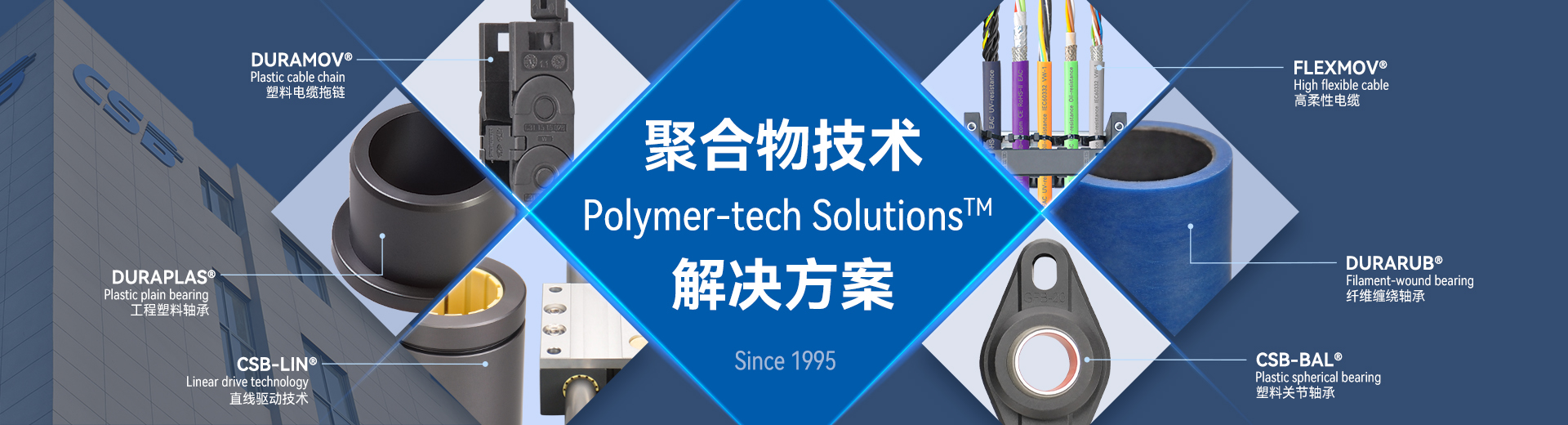
Many users confuse “soft‑feeling cables” with drag‑chain‑qualified high‑flex cables. Soft texture does not guarantee dynamic bending fatigue resistance. Conductor stranding, jacket materials and inner‑cable structure of ordinary flexible cables are optimized for static scenarios without consideration of cyclic bending fatigue. Even with intact outer appearance, hidden inner‑wire breakage may already exist, greatly shortening service life and causing unplanned equipment downtime. For drag‑chain dynamic applications, FLEXMOV® dedicated high‑flex cables shall be adopted.